| Fermentation is where the real magic of brewing happens, but it can also be a major headache when things go wrong. Whether you’re dealing with stalled fermentation, funky off-flavors, or just trying to keep your batches consistent, these are common challenges every brewer faces. Let’s break down some common fermentation issues and how to fix them and show how brewery software like Beer30 can keep your operations running smoothly. |
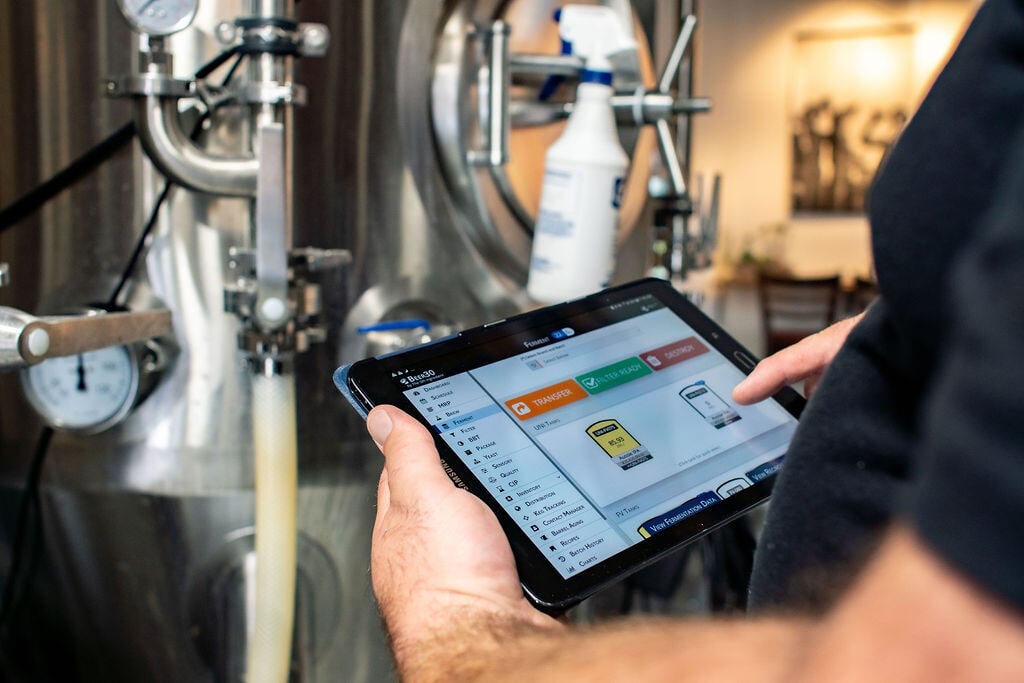
| Fermentation Stuck? Here’s How to Kickstart It Again: Nothing halts the brewing process like a stalled fermentation. You pitch the yeast, wait for that beautiful bubbling, and… nothing. Or it starts strong and then flatlines. What’s going on? Why It Happens: -Over or Under-Pitching yeast: Maybe you didn’t pitch enough yeast for the batch size, and now they’re struggling. Under-pitching can lead to an extended lag phase in which yeast cells are using biological pathways to reproduce instead of ferment. Or, maybe you pitched too much, which can cause excessive Kräusening and a loss of healthy yeast. - Temperature Issues: If the temp drops too low, your yeast might decide to take an extended nap. - Lack of Nutrients: Just like us, yeast need their nutrients. If they’re lacking, they’re not going to do much work. How to Fix It: - Make sure you’re pitching the right amount of yeast. - Keep that temperature steady. Don’t let it get too cold, or your yeast will check out. - Add yeast nutrients, especially for those big, bold brews. - Add vigorously fermenting wort to pick up the slack from the inactive yeast and restart the fermentation How Brewery Software Can Help: With Beer30 brewery software, you can monitor all those fermentation metrics in real time. You’ll know if the temperature’s dropping or the gravity isn’t where it should be, so you can step in and save the day before things get off track. When it comes to yeast, Beer30 is a beast. The brewery software helps you keep track of exactly how much yeast you have, keeps a detailed genealogy chart to track just how your yeast is performing for each brew, and notes the source of intra-brewery pitches so you know what to expect from your yeast’s performance every pitch. We also understand that many brewers like mixing and matching different strains in beer! Brewers can do yeast substitutions and add in different variations from different brinks or pitches while knocking out a beer. This also shows up in the genealogy trees! To learn more about jumpstarting your fermentation, check out this post from our friends at Precision Fermentation. |
| Say Bye-Bye-Bye Off-Flavors: Keeping Your Brew Clean Off-flavors are the worst. You put in all that hard work, and then your beer comes out tasting like buttered popcorn or green apples. What’s up with that? What Causes Off-Flavors: -Diacetyl (Buttery/Butterscotch Flavor): Stressed yeast, low fermentation temperatures, and rushing the process or not letting your beer sit long can cause it to have too much diacetyl flavor. - Acetaldehyde (Green Apple Taste): This happens when fermentation isn’t fully complete or your yeast is having a bad day. - Phenolic (Spicy or Medicinal): Usually from wild yeast crashing your party or fermenting too hot. -Sulfur (Rotten Egg Taste): Caused by unhealthy yeast that produces sulfur compounds during fermentation. -Phenols (Varying Flavors): Phenols can give the beer off-flavors like medicine, band-aid, and cloves. These off-flavors are caused by unhealthy yeast when exposed to chlorine (usually in water) or in response to malt or other ingredients. How to Keep Things Tasting Great: -Make sure your yeast is healthy and has enough nutrients. -Sanitize everything—no shortcuts here. Keep your gear clean. - Watch that fermentation temp. Stay in the sweet spot for your yeast strain. - Give your beer time to finish. Don’t rush it, and let the yeast clean up after themselves. How Brewery Software Can Help: As we mentioned, Beer30 brewery software lets you set up alerts for anything that might mess with your brew—like temperature changes or weird gravity readings. You can catch potential off-flavors early and keep your beer tasting just the way you want it. Not only that, but Beer30’s task management tools can help you implement CIP/sanitation and improve accountability on SOPs around sanitation. Plus, with detailed batch tracking, you can figure out exactly when things went sideways, if they ever do to make sure you get your brew back on track. |
| Nailing Temperature Control Like a Pro Temperature control during fermentation can make or break your beer. Too hot, and you’re looking at some serious off-flavors. Too cold, and your yeast might take a nap. So, how do you keep things just right? Challenges: - Seasonal Changes: As the weather shifts, so does your brew room temp. - Old Equipment: If your temp control setup is older, you might struggle to keep things steady. - Multiple Yeast Strains: When you’ve got different strains going at the same time, things can get tricky. How to Stay in Control: - Invest in solid temperature control systems like glycol chillers or fermentation chambers. - Monitor temps and make adjustments as needed. - Know your yeast and their needs. Each strain has its sweet spot, so don’t mix things up. How Brewery Software Can Help: Beer30’s real-time temperature tracking and remote monitoring lets you check your fermentation temp from anywhere and make adjustments before things get out of hand. Plus, our software integrates with partners like PLAATO, Fermly, Precision Fermentation, and Fermecraft to help you get a firm grip on your fer |
| Understanding Your Yeast: Happy Yeast, Happy Beer Yeast is the unsung hero of brewing. When they’re happy, they churn out amazing beer. But when they’re stressed, you’ll know it. So, how do you keep your yeast in top shape? Signs of Happy Yeast: - Active Fermentation: Lots of bubbling and movement means your yeast is hard at work. - Hitting Your Gravity Targets: If your final gravity is spot on, you’re golden. - Clear Beer: Good yeast behavior means they’ll settle out nicely, leaving you with clear beer. Signs of Unhappy Yeast: - Slow Start: If nothing happens after 24 hours, your yeast might need help. - Off-Flavors: Stressed yeast produces all sorts of nasty flavors—no thanks. - High Final Gravity: If you’re not hitting your FG, something’s up with your yeast. How to Keep Yeast Happy: - Use healthy yeast and store it properly. - Rehydrate or make a starter for liquid yeast—it gives them a head start. - Oxygenate your wort before pitching. Yeast loves oxygen at the beginning. How Brewery Software Can Help: Beer30 brewery software helps you keep track of your yeast’s performance over time. You can log data on yeast health, usage, and performance, so you’ll know exactly what to expect from each batch. |
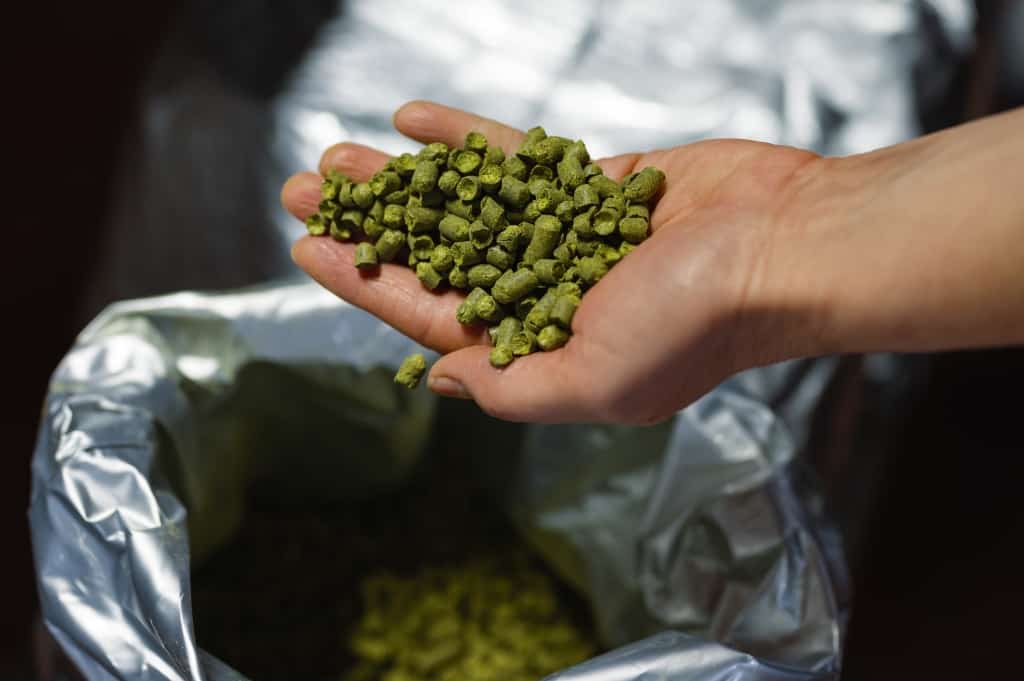
| Hop Creep: What Is It, What Causes It, and How to Prevent It Hop creep is an unwanted secondary fermentation that comes with dry hopping and can lower gravity, provoke a diacetyl spike, and create excess alcohol and CO2. Hop creep happens slowly and subtly and can be hard to catch without the proper monitoring tools. This means that customers are usually the first ones to notice the unwanted flavor, higher ABV, and overpressurization that can lead to popped bottles (not the fun kind) and overexpanding cans. What Causes Hop Creep: Hop Creep Happens when diastase enzymes in hops meet up with normally unfermentable carbohydrates in the presence of active yeast. This usually happens with juicy or hazy IPAs when the yeast count and hopping rate are both high. How to Prevent Hop Creep: While it’s not necessarily possible to prevent hop creep altogether, it is possible to monitor and control it. Brewers can measure the alcohol and specific gravity to monitor for overattenuation. As a brewer, you can measure for over-attenuation by measuring the alcohol and specific gravity. You can reduce its likelihood by tweaking your recipes for higher-fermentation wort or by adjusting the brewing process to account for it. For instance, you might intentionally underattenuate your beer to manage the effects. Additionally, you can reduce the contact time between hops and beer. Even though it's common to think that longer dry-hopping is better, a 2012 OSU study found that hop aroma intensity is the same whether you dry-hop pellets for six hours or four days. Plus, it only takes 24 hours for linalool and myrcene to hit almost total extraction levels. Shorter dry-hop times bring out more fruity aromas, while longer times lean toward herbal notes with more polyphenols. How Brewery Software Can Help: Beer30 brewery software lets you monitor essential fermentation data like attenuation, pH, gravity, temperature, diacetyl, and ABV to easily see if things are “creeping” up in real time. |

| Keeping It Consistent: How to Recreate That Perfect Brew Consistency is key, especially when your customers expect the same great beer every time. But with so many variables in play, how do you ensure every batch hits the mark? Challenges: -Ingredient Variability: Not all hops and malts are created equal—sometimes, you get a batch that’s just a little different. -Process Changes: Even minor tweaks can lead to significant differences in the final product. -Environmental Factors: Changes in temperature, humidity, and water chemistry can all mess with your consistency. How to Nail Consistency: -Stick to your process. Document every step so you can replicate success. -Source ingredients from trusted suppliers and keep an eye on quality. -Regularly calibrate your equipment to make sure your measurements are on point. How Brewery Software Can Help: With Beer30 brewery software, you can keep everything consistent from start to finish. Log every detail, from ingredients to temps, and use that data to replicate your best batches. And if something’s not quite right, Beer30’s analytics will help you spot where things went off course so you can fix it for next time. |
| Conclusion Fermentation might have its challenges, but with a bit of know-how and the right tools, you can keep things running smoothly and produce amazing beer every time. Using brewery software like Beer30 helps you monitor, troubleshoot, and perfect your fermentation process, making sure every batch is as good as the last. Reach out to book a demo today or get a pricing quote, and let’s talk about how Beer30 software can help your brewery. |


