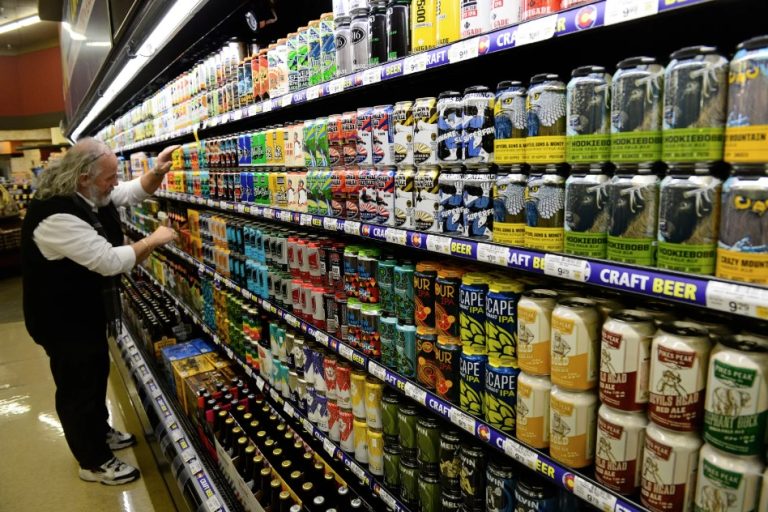
The craft beer market has changed dramatically. The days when simply making great beer and dropping it off at accounts guaranteed success are gone. Today's breweries face increased competition, changing consumer preferences, tighter retailer budgets, and a growing number of beverage options competing for the same tap handles and shelf space.
For self-distributing breweries, these challenges can feel even more intense. Your sales team isn't just responsible for selling beer. They're responsible for managing relationships, planning inventory allocations, servicing accounts, and representing your brand in the market every day.
The good news is that breweries can still grow and thrive. The breweries that succeed today aren't necessarily the ones with the biggest budgets. They're the ones with the best processes, strongest relationships, and most disciplined execution.
This guide outlines practical strategies that self-distributing breweries can implement immediately to improve sales performance. Because being small means MORE focus on execution, not less.
One of the biggest mistakes breweries make in managing their sales is to lean on intuition and “vibes” more than on the data. And while data can feel like it’s hard to access or understand, most breweries are gathering that information every single day..
Your sales team (or at least managers) should know:
Without this information, sales reps spend their time reacting rather than proactively growing the business, and miss opportunities that may be obvious with the data in front of you.
It’s also critical to review your team’s performance on a weekly basis, with a focus on accountability and performance. But remember, accountability is about creating better habits and greater success, not about blame.
The breweries that measure consistently generally improve consistently.
Retailers have more choices than ever before.
Most bars, restaurants, and retailers are not looking for another supplier. They're looking for partners who help them succeed. Because beer is a recurring expense, and that means a recurring, long-term relationship will sell far more than one that is purely transactional.
Your sales team should strive to become trusted advisors.
Instead of asking:
"Can I get another tap handle?"
Ask:
"What's selling well for you right now?"
Instead of:
"Can you bring in our new IPA?"
Ask:
"What challenges are you facing with your current beer selection?"
The goal is to understand the account's business objectives first.
When your brewery helps retailers make more money, and understands their constraints, your products naturally earn more placements.
Not all accounts deserve the same amount of attention, and oftentimes, sales staff spend a lot of their limited time and resources on accounts that will only order a handful of products any given year. By recognizing the value that each account brings to your business, your team can spend their time effectively and efficiently.:
High volume accounts with strong growth potential.
Examples:
Visit these frequently, and prioritize them when considering allocated products or limited availability for tastings and events.
Steady performers with moderate growth potential.
Visit regularly but less frequently than Tier 1. Still a core part of your business, and often the most numerous type of account that has any major impact on your bottom line.
Smaller accounts with limited growth potential.
Maintain relationships efficiently through scheduled visits, calls, and email outreach.
Most breweries talk about beer styles, ingredients, and brewing techniques.But what retailers really care about is what those things mean for their business.
Instead of saying:
"This IPA uses a new hop blend."
Say:
"This IPA has performed well in similar accounts because it appeals to both craft enthusiasts and casual drinkers."
Instead of:
"We won a medal."
Say:
"This beer has strong consumer recognition and tends to turn faster on draft."
Always connect product features to business outcomes, and use the language that they use. Don’t assume that every buyer is a Cicerone, and recognize that most have no desire to be.
Success in self-distribution often comes down to consistency.
Create a structured schedule for:
The most successful sales reps rarely rely on memory. Use CRM software or a structured process to ensure every account receives regular attention, and provides accountability and visibility for everyone in the sales part of the business.
Consistency builds trust.
Trust builds sales.
Use Limited Releases Strategically
Many breweries release special beers without a clear sales objective. Limited releases should create excitement and strengthen relationships. And in many cases, it can be better to sell out of a product and leave people wanting more, than to carry unsold inventory that needs flushed through your taproom or less important accounts.
Use limited releases to:
Avoid overwhelming the market with too many one-off products.
Scarcity only works when products are genuinely scarce.
One of the most common frustrations in breweries occurs when sales and production operate independently. This “Front of House / Back of House” tension and siloing makes everyone worse off, and can create frustration amongst even the most capable teams.
Sales teams need visibility into:
Production teams need visibility into:
Regular communication prevents out of stocks, overproduction, and missed opportunities.
Accurate (or at least mostly-accurate) forecasting can be the difference between spending time and money making the wrong things, or working efficiently to produce exactly what your team needs, exactly when they need it. And with cash flow always in short supply for small brewers, the extra breathing room from good forecasting can help immensely, to ensure your most important expenses are never at risk.
Be sure to review:
The right tools can help immensely with managing costs, managing spend, and managing inventory. The brewery that knows what customers will need before they order it gains a significant advantage.
Many breweries search for a breakthrough sales strategy. In reality, growth often comes from doing the fundamentals exceptionally well.
The breweries gaining market share today are:
Craft beer remains a relationship-driven industry. The breweries that combine great beer with disciplined sales execution will continue to find success, even in challenging markets.
The modern market is competitive, but it is far from impossible.
Consumers still want great local brands. Retailers still value dependable partners. Accounts still reward breweries that help them succeed. The opportunity isn't gone. It simply belongs to breweries willing to sell smarter.
Focus on relationships. Use your data. Stay disciplined.
And remember: every pint sold starts with a conversation.

