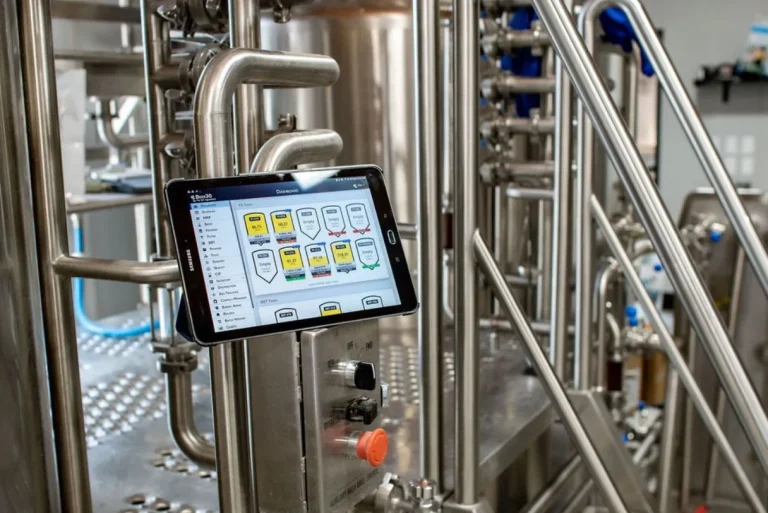
Transitioning to new brewery software can be challenging and is often misunderstood as a simple change that happens overnight. The reality is that just as training a new brewer requires patience, shifting to a new software demands time, effort, and a strategic approach. By employing proven product adoption principles, breweries can make this transition seamless, setting themselves up for long-term efficiency and growth.
When adopting new brewery software, it’s essential to communicate the "why" behind the transition. Just as a brewer needs to understand why certain practices are crucial to brewing quality beer, your team needs clarity on the specific advantages the new software brings. Highlight benefits like streamlined inventory management, improved production planning, and data insights that support growth. When employees understand the purpose and advantages, they’re more likely to embrace the software, knowing how it benefits their daily tasks.
No one becomes a skilled brewer overnight, and it’s the same with new software. Transparency about the long-term gains will ease resistance to change.
Would you send in a newbie brewer to train a new hire? Probably not.
In any transition, having experienced advocates is critical. Just as seasoned brewers train new hires, appoint tech-savvy team members as software champions. These advocates can support their peers, troubleshoot issues, and provide feedback to improve the adoption process. By involving key advocates, the new brewery software feels less foreign and more like an integral part of daily operations, enhancing adoption and reducing resistance to change.
Just like you wouldn’t expect a brewer to master your custom brew kit in one day, the same applies to learning new software.
Expecting immediate mastery of new brewery software is as unrealistic as expecting a brewer to perfect a new recipe on the first try. A structured training approach that includes guided sessions, hands-on practice, and patience ensures that your team can learn the software's features and capabilities over time. Emphasize that the learning curve is natural and that mistakes are part of the process. This approach fosters an environment of learning and exploration, allowing your team to share insights and encourage each other.
A phased approach to implementing new brewery software is more manageable than an all-at-once transition. Consider this rollout like experimenting with a new recipe—you start small, make adjustments, and expand gradually once you’re confident in the process. A step-by-step rollout minimizes the risk of overwhelming your team and allows for adjustments along the way. Breweries that attempt an all-or-nothing approach often face setbacks, so giving your team time to adapt can be invaluable.
Even after the software is live, continued support is vital for sustained adoption. New software, like a new brew, may have unforeseen issues that need troubleshooting. Maintain open lines of communication and provide a feedback loop for ongoing improvements. This approach helps your team feel supported, ensuring they don’t feel abandoned with a new system.
With Beer30, our support team is always available to answer any questions or jump on a screenshare to help your team find the best solution.
Acknowledging small wins during the software transition can go a long way toward keeping morale high. Celebrate every successful use of the software, whether it’s a perfectly managed inventory count or an optimized brew schedule. Recognizing these wins reinforces the value of the new software, helping the team see its impact on their work. Consider gamification or small rewards to further encourage engagement and make the transition smoother.
Remember the why for implementing that software, and clue your team in on the insights and the data that you're gaining. The more they know what they are doing matters, the more they’ll want to continue the good work.
Adopting new brewery software like Beer30 is much like refining your brewing process—it requires careful planning, training, and ongoing support. The expectation of instant software adoption is as unrealistic as expecting a novice brewer to create a flawless batch on their first try. By following these product adoption principles, breweries can successfully implement new software, enhancing efficiency and setting themselves up for sustained success.
If you’re interested in learning more about how brewery software like Beer30 can help you reach those goals like improved ROI, better consistency, and streamlined production, schedule a demo today to learn more.

