
Running a brewery is both a labor of love and a business challenge. While you’re crafting the perfect brew, it can be easy to overlook the small inefficiencies that can quietly eat away at your profits. The good news? You don’t need to overhaul your entire operation to turn things around. Leveraging real-time data can help you identify and eliminate waste, optimize your processes, and make smarter decisions that directly impact your bottom line.
Here’s how brewery software like Beer30 and real-time data can revolutionize your brewery, save money, and boost your profits.
Even the most successful breweries face hidden costs that can sap their profitability. These issues are often small and easy to miss but add up over time:
Each of these inefficiencies represents an opportunity to save money and improve your processes. The key lies in identifying these issues quickly and addressing them proactively—and that’s where real-time data comes in.

Beer30 provides real-time data that enables you to monitor every aspect of your brewery’s operations as they happen. From ingredient usage to production scheduling, having up-to-the-minute insights gives you the tools to make informed decisions.
Here’s how this small change can have a massive impact on your brewery.
Inventory mismanagement is a silent killer of brewery profits. Overstocking ties up cash in materials you don’t need, while shortages can halt production.
With real-time inventory tracking, you’ll always know exactly what you have on hand, what’s running low, and what needs to be reordered.
When Your Mates Brewing was just getting started, they were using nothing but spreadsheets to run their brewery. They quickly found out that this wasn’t going to cut it.
At one point, they realized they only had a few four-pack barcodes left. No big deal, right? Wrong. They had over 10,000 liters of beer held up in tank because they simply didn’t have anywhere to put it.
Something as small as barcodes held up their entire production facility all because of poor inventory management.
Now, with Beer30’s real-time inventory tools, Your Mates Brewing has eliminated such bottlenecks, ensuring accurate projections and timely reordering. The result? They estimate savings of $100,000 AUD annually by avoiding production delays and waste.
Breweries are fast-paced environments, and inefficiencies in workflow can cause chaos. When your team spends time deciphering outdated spreadsheets or tracking down missing information, it’s time and money wasted.
Centralizing your data with a platform like Beer30 can transform how your team works:
This level of organization doesn’t just save time—it allows your team to focus on what really matters: brewing great beer.
Every stage of the brewing process presents an opportunity to improve efficiency. Real-time data helps you track critical metrics, such as yields, tank turnover rates, and brew times, so you can pinpoint where you’re losing money and make adjustments.
It may seem small, but cutting production costs by even just a small percentage can lead to serious profits.
For Pelican Brewing, Beer30 was vital for driving improvements in their mashing, lautering, and whirlpool process to improve overall brewhouse efficiency and yield. In the cellar, the Pelican Brewing team used Beer30 to evaluate multiple changes in their fermentation schedules and achieve a substantial reduction in tank turn time.
After that, they used Beer30 to dial in the filtration and packaging processes for a further improvement in the overall brew-to-package yield.
By setting week-over-week targets for brew-filter-pack metrics for their core brands and visually seeing the results on the Dashboard, the Pelican team was able to ensure that yields were hitting the required weekly target - and when they did not, the team made process changes.
These small changes added up in a big way: Pelican Brewing saw a $550,000 increase in annual revenue without adding staff or equipment.
Brewing doesn’t stop just because you’re out of the office. Beer30’s brewery software ensures you can monitor your operations anytime, anywhere. This capability allows you to address issues immediately, minimizing disruptions and losses.
For example, imagine getting a notification about an abnormal fermentation temperature while you’re off-site. With real-time data, you can take corrective action before the issue affects the batch.
Beer30 provides real-time updates on everything from fermentation data to sales and distribution. This means you can make adjustments on the go—whether it’s tweaking a brew day process, getting ahead of a fermentation issue, or managing your warehouse inventory. The ability to access live data from any device allows you to stay connected to the action, even if you’re not physically on the floor.
The result? Fewer lost batches and more peace of mind.
The true power of real-time data lies in its ability to connect every aspect of your operation. By breaking down silos and providing a single source of truth, Beer30 software helps you:
Beer30’s brewery software takes the guesswork out of managing your operations. Built by brewers for brewers, it’s designed to handle the complexities of running a modern brewery.
Here’s what sets Beer30 apart:
These features don’t just make life easier—they deliver measurable results. Brewers who use Beer30 consistently report savings in labor, reductions in waste, and significant boosts to their bottom line.
The smallest adjustments can make the biggest difference. By leveraging Beer30’s real-time data, you can eliminate inefficiencies, improve decision-making, and unlock new levels of profitability.
You don’t need to overhaul your brewery to see these benefits. All it takes is the right tools and a commitment to continuous improvement.
Ready to see the impact of real-time data for yourself?
Get a free Beer30 pricing quote today and discover how you can save time, reduce waste, and grow your bottom line.
Starting a brewery often stems from a passion for crafting unique, flavorful beers. Many brewers begin their journey as amateurs, brewing in their garages or basements, perfecting recipes, and dreaming of turning their hobby into a thriving business. However, transitioning from an amateur operation to a professional brewery comes with a unique set of challenges. Managing production, maintaining quality, and ensuring profitability are paramount. This is where brewing software becomes an invaluable tool.
In the early stages, managing a small-scale brewing operation can be straightforward. However, as the business grows, so does the complexity of operations. Larger batches, more diverse product lines, and an expanding customer base mean manual processes and basic spreadsheets can quickly become inadequate. Brewery software provides a comprehensive solution to these growing pains by offering advanced features tailored to the needs of professional breweries.
One of the primary benefits of brewing software is its ability to streamline production processes. This software can automate various aspects of brewing, from tracking inventory levels to scheduling production runs. Moreover, it frees up valuable time for brewers, allowing them to focus on what they do best – creating great beer.
For instance, Beer30 by The 5th Ingredient, transforms raw data into actionable insights that help breweries streamline production. By integrating all aspects of the brewing process into a single platform, these tools enable brewers to manage recipes, monitor fermentation, and track inventory in real time.
Consumers expect their favorite beers to taste the same every time they purchase them, and any deviation can harm a brewery's reputation. Brewing software plays a vital role in ensuring quality control by providing detailed records of every step in the brewing process.
With advanced data analytics, brewers can identify trends and pinpoint potential issues before they become major problems. For example, tracking temperature and pH levels during fermentation can help prevent off-flavors and spoilage. By maintaining detailed logs and providing real-time alerts, brewing software ensures that every batch meets the highest quality standards.
Efficiency is key to profitability in the brewing industry. Inefficient processes lead to waste, higher costs, and reduced output. Beer30 software addresses these issues by optimizing every aspect of the brewing process. From raw material procurement to final packaging, these tools help breweries maximize their resources and minimize waste.
Inventory management is a critical area where brewing software can significantly impact production. By providing accurate, real-time data on ingredient levels, brewers can avoid overordering or running out of essential materials. This ensures that production runs smoothly without costly interruptions.
Ultimately, the goal of any commercial brewery is to be profitable. Brewing software helps achieve this by providing detailed financial insights and facilitating better decision-making. Brewers can make informed choices that enhance their bottom line by analyzing production costs, sales data, and market trends.
One way brewing software contributes to profitability is by offering predictive analytics. These tools can forecast demand based on historical data, helping breweries plan their production schedules more effectively.
In today's competitive market, data-driven decision-making is essential for success. Software provides the analytical tools needed to make informed choices. By converting raw data into insights, these platforms help brewers understand their operations in greater detail.
Beer30 brewing software by The 5th Ingredient shows how technology can revolutionize brewery management. Turning raw data into actionable insights helps breweries streamline production, drive efficiency, dial in quality, and boost profitability. These tools empower brewers to make data-driven decisions that enhance every aspect of their operations.
The brewing industry is dynamic, with consumer preferences and market conditions constantly evolving. Brewing software enables breweries to adapt to these changes quickly. Whether introducing new products, adjusting production levels, or responding to supply chain disruptions, these tools provide the flexibility needed to stay competitive.
For instance, during the COVID-19 pandemic, many breweries had to pivot their operations to survive. Those with advanced brewing software could quickly adjust their production schedules, manage remote teams, and track changing consumer demands. This agility was crucial in navigating the challenges posed by the pandemic and continues to be important for breweries.
Breweries must also adhere to various legal laws, from labeling requirements to health and safety regulations. Brewing software simplifies compliance by providing accurate records and traceability.
These tools enable breweries to maintain detailed logs of their production processes, ingredients, and quality control measures. Having this information readily available is invaluable in the event of a recall or audit.
As a brewery grows, so does the complexity of its operations. Scaling up requires careful planning and efficient management of resources. Brewing software provides the scalability needed to expand operations without sacrificing quality or efficiency.
These tools offer a comprehensive view of the business by integrating all aspects of the brewing process into a single platform. This holistic approach enables brewers to identify growth opportunities, optimize production, and manage resources effectively. With the right software, breweries can scale up confidently, knowing their operations are well-managed and sustainable.
Conclusion
Transitioning from home brewing to a professional brewery is a significant milestone. It requires passion, creativity, and effective production, quality, and financial management. Brewing software is essential in this journey, offering the automation, analytics, and scalability needed to succeed.
It transforms breweries' operations by streamlining production, enhancing quality control, driving efficiency, and boosting profitability. Beer30 helps breweries succeed in a cutthroat market.
Investing in brewing software is not just a step towards professionalization; it's a commitment to excellence and a brighter future for your brewery. Whether you're just starting or looking to scale up, the right software can make all the difference, turning your passion for brewing into a successful and sustainable business.
Transitioning to new brewery software can be challenging and is often misunderstood as a simple change that happens overnight. The reality is that just as training a new brewer requires patience, shifting to a new software demands time, effort, and a strategic approach. By employing proven product adoption principles, breweries can make this transition seamless, setting themselves up for long-term efficiency and growth.
When adopting new brewery software, it’s essential to communicate the "why" behind the transition. Just as a brewer needs to understand why certain practices are crucial to brewing quality beer, your team needs clarity on the specific advantages the new software brings. Highlight benefits like streamlined inventory management, improved production planning, and data insights that support growth. When employees understand the purpose and advantages, they’re more likely to embrace the software, knowing how it benefits their daily tasks.
No one becomes a skilled brewer overnight, and it’s the same with new software. Transparency about the long-term gains will ease resistance to change.
Would you send in a newbie brewer to train a new hire? Probably not.
In any transition, having experienced advocates is critical. Just as seasoned brewers train new hires, appoint tech-savvy team members as software champions. These advocates can support their peers, troubleshoot issues, and provide feedback to improve the adoption process. By involving key advocates, the new brewery software feels less foreign and more like an integral part of daily operations, enhancing adoption and reducing resistance to change.
Just like you wouldn’t expect a brewer to master your custom brew kit in one day, the same applies to learning new software.
Expecting immediate mastery of new brewery software is as unrealistic as expecting a brewer to perfect a new recipe on the first try. A structured training approach that includes guided sessions, hands-on practice, and patience ensures that your team can learn the software's features and capabilities over time. Emphasize that the learning curve is natural and that mistakes are part of the process. This approach fosters an environment of learning and exploration, allowing your team to share insights and encourage each other.
A phased approach to implementing new brewery software is more manageable than an all-at-once transition. Consider this rollout like experimenting with a new recipe—you start small, make adjustments, and expand gradually once you’re confident in the process. A step-by-step rollout minimizes the risk of overwhelming your team and allows for adjustments along the way. Breweries that attempt an all-or-nothing approach often face setbacks, so giving your team time to adapt can be invaluable.
Even after the software is live, continued support is vital for sustained adoption. New software, like a new brew, may have unforeseen issues that need troubleshooting. Maintain open lines of communication and provide a feedback loop for ongoing improvements. This approach helps your team feel supported, ensuring they don’t feel abandoned with a new system.
With Beer30, our support team is always available to answer any questions or jump on a screenshare to help your team find the best solution.
Acknowledging small wins during the software transition can go a long way toward keeping morale high. Celebrate every successful use of the software, whether it’s a perfectly managed inventory count or an optimized brew schedule. Recognizing these wins reinforces the value of the new software, helping the team see its impact on their work. Consider gamification or small rewards to further encourage engagement and make the transition smoother.
Remember the why for implementing that software, and clue your team in on the insights and the data that you're gaining. The more they know what they are doing matters, the more they’ll want to continue the good work.
Adopting new brewery software like Beer30 is much like refining your brewing process—it requires careful planning, training, and ongoing support. The expectation of instant software adoption is as unrealistic as expecting a novice brewer to create a flawless batch on their first try. By following these product adoption principles, breweries can successfully implement new software, enhancing efficiency and setting themselves up for sustained success.
If you’re interested in learning more about how brewery software like Beer30 can help you reach those goals like improved ROI, better consistency, and streamlined production, schedule a demo today to learn more.
Effective brewery management is essential for growth and sustainability in the competitive brewing world. The right management strategies can make a significant difference as breweries strive to stand out in a crowded market. This blog explores a number of approaches that can help breweries streamline operations, enhance productivity, and drive growth.
One of the most impactful ways to enhance brewery management is by embracing technology and automation. Modern brewing software, like Beer30 from The 5th Ingredient, can revolutionize how breweries track their production, manage inventory, and analyze data. This software provides real-time insights into various aspects of the brewing process, enabling managers to make informed decisions quickly.
Lean manufacturing principles, which focus on minimizing waste and maximizing productivity, can be highly effective in management. Breweries can streamline processes and reduce costs by identifying and eliminating non-value-added activities. Key lean principles include:
Implementing lean principles requires a cultural shift and commitment from all levels of the organization, but the benefits in efficiency and cost savings can be substantial.
Sustainability is becoming important in brewing for ethical reasons, cost savings, and brand reputation. Sustainable brewery management practices can include:
Breweries focusing on sustainability can reduce their environmental impact, lower operating costs, and appeal to environmentally conscious consumers.
A motivated workforce is crucial for effective brewery management. Key areas of focus for training can include:
Additionally, creating career development and advancement opportunities can help retain talented employees and build a strong, committed team.
Data analytics is a powerful tool for brewery management. Brewers can gain valuable insights into production efficiency, quality control, and market trends by collecting and analyzing data from various aspects of the brewing process. Areas where data analytics can be applied include:
A robust data collection system like Beer30 allows you to interpret and act on the insights gained.
Strong relationships with suppliers ensure a reliable supply of high-quality ingredients and materials. Developing long-term partnerships with key suppliers can provide several benefits, including:
Collaboration with suppliers can help breweries manage supply chain risks and stay ahead of market trends.
Breweries can use various methods to connect with customers, including:
Breweries can improve their products and enhance customer satisfaction by actively seeking and acting on customer feedback.
In a constantly changing market, breweries may remain competitive and draw in new business by broadening their range of products. This can involve:
Diversifying product offerings increases revenue potential and enhances the brewery's brand image and market presence.
Optimizing distribution channels is crucial for reaching a wider audience and increasing sales. Strategies for improving distribution include:
Efficient distribution management ensures that products reach customers quickly and in optimal condition, enhancing customer satisfaction and loyalty.
Key practices of financial management include:
Breweries can ensure long-term sustainability and growth by focusing on financial management.
Effective brewery management requires a combination of innovative strategies, technology, and a commitment to continuous improvement. By embracing these top 10 strategies, breweries can optimize their operations, enhance product quality, and drive growth in a competitive market.
Implementing modern brewing software like Beer30 by The 5th Ingredient can provide the necessary tools to achieve these goals. With a focus on efficiency and quality assurance, breweries can build a strong foundation for success.
For many breweries, managing daily operations often begins with spreadsheets, tracking everything from production to raw materials and sales. Spreadsheets offer a low-cost, flexible solution, but as your brewery scales, they can become more of a burden than a benefit. Over time, spreadsheets are prone to errors, difficult to manage, and can take significant time to update.
On the other hand, brewery software provides streamlined operations, enhanced data accuracy, and real-time insights that lead to better decision-making. But when spreadsheets come with the attractive price of free, is brewery software worth the investment?
In this article, we’ll compare brewery software with spreadsheets in key areas, including:
Spreadsheets rely heavily on manual data entry, which naturally increases the risk of errors. Research shows that almost 88% of spreadsheets contain errors, which could lead to incorrect inventory tracking, inaccurate production schedules, or faulty financial reports for breweries. Over time, these errors can result in costly mistakes, from production delays to budgeting mishaps.
Brewery software, like Beer30, automates data entry, reducing the chance of human error. By providing real-time data tracking, brewery software ensures accurate batch traceability, which helps avoid costly errors in ingredient usage, brewing schedules, and regulatory compliance. This increased accuracy can directly impact your brewery’s bottom line by saving both time and resources.

Spreadsheets, while flexible, require a significant time investment. Brewers and managers may spend hours manually updating data, cross-referencing sheets, and ensuring numbers are correct. This time spent managing spreadsheets is time taken away from brewing and improving operations.
In contrast, brewery software integrates all operational aspects—inventory, production, sales, and financial data—into a single, easy-to-use platform. Instead of having multiple spreadsheets that need to be tracked down through multiple folders over multiple iterations, Beer30 keeps everything you need under one roof and acts as a single source of truth for all of your brewery’s data.
Beer30 users report saving up to 20 hours each week through automation of tasks like inventory management and production scheduling. In fact, Your Mates Brewing in Australia reduced their production management time so significantly with Beer30 that they saved approximately $100,000 (AUD) annually.
“You'd have to employ another person who was experienced in inventory management, scheduling, and materials resource planning—someone who could build a database that could give you the information that Beer30 is giving you. That’s a $100,000 salary, I’d say,” says Christian McGarry, cofounder of Your Mates.
You might be thinking, “Well we’re just a small brewery. I’m not sure if it would be worth it for us.” And you know what? You may be right. Brewery software isn’t going to be the right solution for every single brewery, BUT if you want to see if it is, we encourage you to schedule a free ROI consultation and see how much your potential savings could be.
Spreadsheets provide a static snapshot of data, meaning they need to be constantly updated to reflect current operations. This is good for seeing historical data, but makes it difficult to make real-time, data-driven decisions. If you're relying on yesterday’s numbers, you may miss important information which could lead to bigger, more expensive issues.
For example, let’s say you experience a temperature change during fermentation because something kicked out your temperature control. This could cause some serious off flavors and if you’re using spreadsheets, you won’t know what happened until it’s too late and the batch is ruined.
In contrast, Beer30 provides real-time data visibility from any smart device, allowing breweries to make immediate adjustments. So if something is threatening the quality of your beer, you’ll know immediately and can take action to save that batch. Real time data helps reduce waste and can directly improve profitability.
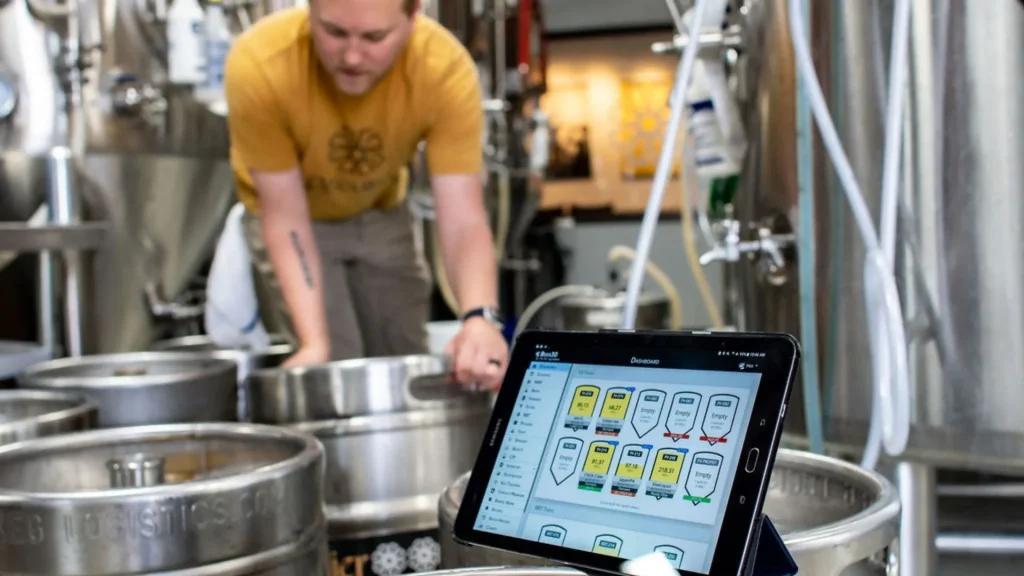
Detecting inefficiencies at your brewery could be the difference between keeping your doors open or not. With spreadsheets, most breweries have their data locked up in tables and rows and it’s hard to get a good visual image of what’s really going on. Between sales data trends, fermentation data, and inventory data, spreadsheets offer very limited capabilities when it comes to identifying inefficiencies. Detecting trends or areas where the brewing process can be optimized is labor-intensive and often overlooked because spreadsheets don’t inherently provide visual insights beyond the raw data. It can be hard to identify performance trends and see where production inefficiencies are coming from.
This was exactly the case for Pelican Brewing in Pacific City, Oregon.
Before Beer30, the Pelican team knew they faced challenges with production efficiencies and had difficulties tracking performance trends with different beers. Yet perhaps the biggest issues they faced were those they didn’t even know existed due to poor visibility.
With Beer30 brewery software, the team was able to bring all of Pelican’s production logs into a single, accurate source. Batch History reporting pulled the entire production process into a comprehensive report for each batch of beer. That gave Pelican’s production team the ability to understand how upstream changes truly impacted the yield and quality of each finished batch—a process that would normally live in anywhere from seven to 15 spreadsheets for breweries using different ERP systems without Beer30 software.
Beer30, helps breweries identify inefficiencies by offering detailed reporting and analysis features that highlight production, packaging, and inventory management. These insights enable breweries to fine-tune their processes, reduce waste, and ultimately save money.
For Pelican Brewing, this meant they were able to:
Overall, Pelican was able to grow sales by $550,000 through added beer production over the span of one year after implementing brewing software.
Consistency is essential in brewing to maintain quality and brand reputation. However, tracking consistency through spreadsheets is challenging because they lack full traceability of ingredients and production variables.
Brewery software like Beer30 offers complete batch traceability, ensuring consistency in factors like temperature, yeast health, pH levels, and fermentation times. Should an inconsistency arise, the software helps identify and correct it quickly, preventing future issues and preserving product quality.
Complying with Alcohol and Tobacco Tax and Trade Bureau (TTB) regulations can be a nightmare when using spreadsheets. Manually gathering data for production, sales, and tax reporting is time-consuming and increases the risk of error, which can lead to fines or other compliance issues.
Brewery software automates the TTB reporting process. With Beer30, all necessary data is tracked and ready for submission, saving breweries countless hours and ensuring compliance with regulations. By automating this process, breweries reduce the risk of non-compliance and can focus on growing their business and brewing better beer.
So is brewery management software worth it? The answer is…yes, probably.
Ultimately it will depend on your brewery but brewery software like Beer30 has helped hundreds of breweries optimize their production and boost their ROI.
Although spreadsheets may seem like an appealing, low-cost solution, they quickly become cumbersome and error-prone as your brewery grows. Brewery software like Beer30 provides an all-in-one solution that improves data accuracy, reduces labor costs, and offers real-time insights.
While we understand that spreadsheets are free to use and readily available, it might be worth it to look into brewing software like Beer30.
After all, there’s nothing to lose from setting up a quick introductory demo and consultation, but not using brewery software could be costing your brewery thousands in production and labor costs.
For more information on how breweries are saving thousands by using Beer30, please check out some case studies from real Beer30 customers.
Precision and consistency are crucial to delivering high-quality products in the ever-evolving craft beer industry. Maintaining a consistent production schedule can be challenging, with numerous variables affecting the brewing process, from ingredient availability to fermentation times. Brewery scheduling software offers a streamlined approach to managing the complexities of brewing operations. Here's how you can achieve precision and consistency in your brewery with the right scheduling tools.
The 5th Ingredient offers powerful complete brewing software, including Beer30 and Bucha30, designed to turn raw data into actionable insights. These tools help breweries streamline production, drive efficiency, dial in quality, and boost profitability. These solutions provide a wide approach to managing brewery operations by integrating with the software.
Implementing brewery scheduling software can come with challenges. Here are some common obstacles and how to overcome them:
Conclusion
Achieving precision and consistency in brewery operations is essential for producing high-quality products and maintaining customer satisfaction. Brewery scheduling software offers a comprehensive solution to streamline production, enhance efficiency, and ensure consistent quality. By leveraging the features and benefits of this software, breweries can optimize their operations and achieve their production goals. Implementing the right management software software, such as The 5th Ingredient Brewing software, can transform raw data into actionable insights, driving your brewery's success and profitability.
Reach out to book a demo today or get a pricing quote, and let’s talk about how Beer30 software can help your brewery.
For growing breweries, inventory management, workflow efficiency, COGS tracking, and making sure you’re getting the best ROI are incredibly important. While it’s possible to manage all of these things on your own using spreadsheets and Google Docs, utilizing brewery software to keep track of your data can be vital. Brewery software can save you time and money and can help you brew a more consistent and fresh product.
Brewery software aids brewing teams in overseeing the brewing process from grain to glass. Software plays a pivotal role in ensuring production efficiency and lets beer makers get back to the fun parts of brewing so you can get back to creating new recipes and taste testing.
But brewery software comes in all different shapes and sizes and differentiating between them can be difficult if you’re just starting out. Oftentimes, a brewery software will target one aspect of the brewing lifecycle and stop there. For example, some software companies may focus on inventory, sales, and accounting with features that help you keep track of your cost of goods sold (COGS), while others help with tax reporting and compliance needs, and only a few software options have features that help manage the production and quality control processes that go along with brewing beer.
With Beer30 you can find all of these features under one roof making Beer30 a brewery accounting software, brewery inventory software, and brewery production software all rolled into one. Beer30 is also the most modular brewery management software on the market, meaning you can add features over time as your business needs change, and only pay for what you need in the meantime.
With Beer30 you can:
See our full bundles and features list to learn more.
Spreadsheets have been the old standby for years – but let’s face it, they get messy real quick.
Depending on what brewery software you choose, you could get an all-in-one solution that replaces ALL spreadsheets at the brewery, or a partial solution that still requires some spreadsheets (and paper logs) to manage parts of your process
If you’re looking to replace all of your spreadsheets and have everything organized in one place, Beer30 is the brewing software you're looking for.
With Beer30 software, you can bid farewell to the endless scrolling and searching for different sheets. You’ll have a single source of truth for all of your documents and It lets you keep a digital eye on everything and keep all of your data organized.
Spreadsheets can generate reports, but it's not their strong suit. Beer30's brewery software, on the other hand, takes your data and spins it into gold – insightful reports that give you a bird's-eye view of your brewery's performance.
Not only does Beer30 give you priceless insight to what’s going on, you can also easily keep track of every step of the brewing process. Log every step, every measurement, and every tweak. So, when that imperial stout ends up a tad too bitter, you can trace back to the hop addition that got a bit too enthusiastic.
Finding the brewery software that’s right for you and your brewery can be overwhelming. There are a lot of options out there and it’s hard to know which ones fit your needs. Some of the more popular ones include: Beer30, Ekos, Ollie, and Orchestrated Beer just to name a few.
So how do you know which one is right for you?
Well, it’s important to do your due diligence. Other than looking at the company website, review sites like G2.com are a good place to start. In fact G2 gives you side by side comparisons of each software so you can see comparisons for Beer30 vs. Ollie or Beer30 vs. Ekos.
You’ll also want to look at what you’re getting with each brewery software.
The Beer30 Difference
For us at Beer30, we pride ourselves on being beer nerds.
Part of the Beer30 difference is that our team is almost entirely made up of former brewers, and this shows through in our product. The Beer30 Core System is beer-focused, with brewery-specific features you may not get with other brewery software, like recipe management, yeast genealogy, and the brew-to-package process, to help you streamline your production process.
Beer30 is also your path to profitable growth with the industry's most accurate COGS. Our cost of goods sold calculations will help you accurately manage your margins, adjust to change, and drive profitable growth. Streamline your sales workflow to save time, easily manage accounts, and make sure you never miss a sale.
While other brewery software may only cover a few reports, Beer30 is your one-stop shop for tax compliance, reporting, and insights. Having powerful reports that cover all aspects of the brewing process, gives you full insight into what’s going on in your brewery so you can make data-driven decisions for your sales strategy.
With Beer30 you’ll also be getting industry-leading support with fast response times (77% of tickets answered within 30 minutes) and unlimited training over WhatsApp and Zoom, all at no added cost.
To see all of the ways that Beer30 distinguishes itself from the competition, check out The Beer30 Difference.
Once you’ve done your due diligence, it’s time to pick your top choices and book a demo of the brewery software you’re interested in. If you’re interested in booking a demo with Beer30, you’ll get a free sandbox trial of the software before you make your decision.

For most brewers, having a solid brewery management software is a great place to start, but depending on your personal needs, you may want to stack your software with a few other applications to really get your brewery running like a well-oiled machine.
Here are a few other add-ons you may want to consider:
Keeping your finances in check is like the not-so-secret sauce for any successful business, including your brewery. The right brewery accounting software can help you keep tabs on expenses, revenue, and inventory costs, all while doing the math on payroll and taxes automatically. That means no more late nights scratching your head over spreadsheets, plus it keeps everything legit, saving you time and steering clear of those nasty financial mishaps.
Our recommendations:
Plus, Beer30's brewery accounting software integrates seamlessly with both Xero and Quickbooks online.
Everyone wants to sell more beer, but the sales process can sometimes be cumbersome. Good sales management software can help take the load off. This means your orders, invoices, and payments all glide in effortlessly, sparing you from any unnecessary stress. The result? A quicker cash flow, less paperwork, and a much smoother sales experience.
Our recommendations:
Fermentation is arguably the most important aspect of brewing beer. Brewery software can team up with high-tech monitoring gadgets to give you real-time updates on things like temperature and pressure during fermentation. It's like having a brewmaster's eye 24/7. With the right setup, you can keep your beer's quality and flavor in tip-top shape.
Our recommendations:
Brewery management software can be extremely helpful to manage your day-to-day operations and get a full understanding of what’s really going on at your brewery. Finding the right software that integrates production and business operations can give brewery owners a more efficient workflow. The choice of software will ultimately depend on the scale of your brewery and the needs of your business.
For breweries looking to find out more about the functionalities we offer at Beer30 and how brewery software can help your brewery, we invite you to schedule a demo. Book a demo today and you’ll get a free sandbox trial of the software.
| Fermentation is where the real magic of brewing happens, but it can also be a major headache when things go wrong. Whether you’re dealing with stalled fermentation, funky off-flavors, or just trying to keep your batches consistent, these are common challenges every brewer faces. Let’s break down some common fermentation issues and how to fix them and show how brewery software like Beer30 can keep your operations running smoothly. |
| Fermentation Stuck? Here’s How to Kickstart It Again: Nothing halts the brewing process like a stalled fermentation. You pitch the yeast, wait for that beautiful bubbling, and… nothing. Or it starts strong and then flatlines. What’s going on? Why It Happens: -Over or Under-Pitching yeast: Maybe you didn’t pitch enough yeast for the batch size, and now they’re struggling. Under-pitching can lead to an extended lag phase in which yeast cells are using biological pathways to reproduce instead of ferment. Or, maybe you pitched too much, which can cause excessive Kräusening and a loss of healthy yeast. - Temperature Issues: If the temp drops too low, your yeast might decide to take an extended nap. - Lack of Nutrients: Just like us, yeast need their nutrients. If they’re lacking, they’re not going to do much work. How to Fix It: - Make sure you’re pitching the right amount of yeast. - Keep that temperature steady. Don’t let it get too cold, or your yeast will check out. - Add yeast nutrients, especially for those big, bold brews. - Add vigorously fermenting wort to pick up the slack from the inactive yeast and restart the fermentation How Brewery Software Can Help: With Beer30 brewery software, you can monitor all those fermentation metrics in real time. You’ll know if the temperature’s dropping or the gravity isn’t where it should be, so you can step in and save the day before things get off track. When it comes to yeast, Beer30 is a beast. The brewery software helps you keep track of exactly how much yeast you have, keeps a detailed genealogy chart to track just how your yeast is performing for each brew, and notes the source of intra-brewery pitches so you know what to expect from your yeast’s performance every pitch. We also understand that many brewers like mixing and matching different strains in beer! Brewers can do yeast substitutions and add in different variations from different brinks or pitches while knocking out a beer. This also shows up in the genealogy trees! To learn more about jumpstarting your fermentation, check out this post from our friends at Precision Fermentation. |
| Say Bye-Bye-Bye Off-Flavors: Keeping Your Brew Clean Off-flavors are the worst. You put in all that hard work, and then your beer comes out tasting like buttered popcorn or green apples. What’s up with that? What Causes Off-Flavors: -Diacetyl (Buttery/Butterscotch Flavor): Stressed yeast, low fermentation temperatures, and rushing the process or not letting your beer sit long can cause it to have too much diacetyl flavor. - Acetaldehyde (Green Apple Taste): This happens when fermentation isn’t fully complete or your yeast is having a bad day. - Phenolic (Spicy or Medicinal): Usually from wild yeast crashing your party or fermenting too hot. -Sulfur (Rotten Egg Taste): Caused by unhealthy yeast that produces sulfur compounds during fermentation. -Phenols (Varying Flavors): Phenols can give the beer off-flavors like medicine, band-aid, and cloves. These off-flavors are caused by unhealthy yeast when exposed to chlorine (usually in water) or in response to malt or other ingredients. How to Keep Things Tasting Great: -Make sure your yeast is healthy and has enough nutrients. -Sanitize everything—no shortcuts here. Keep your gear clean. - Watch that fermentation temp. Stay in the sweet spot for your yeast strain. - Give your beer time to finish. Don’t rush it, and let the yeast clean up after themselves. How Brewery Software Can Help: As we mentioned, Beer30 brewery software lets you set up alerts for anything that might mess with your brew—like temperature changes or weird gravity readings. You can catch potential off-flavors early and keep your beer tasting just the way you want it. Not only that, but Beer30’s task management tools can help you implement CIP/sanitation and improve accountability on SOPs around sanitation. Plus, with detailed batch tracking, you can figure out exactly when things went sideways, if they ever do to make sure you get your brew back on track. |
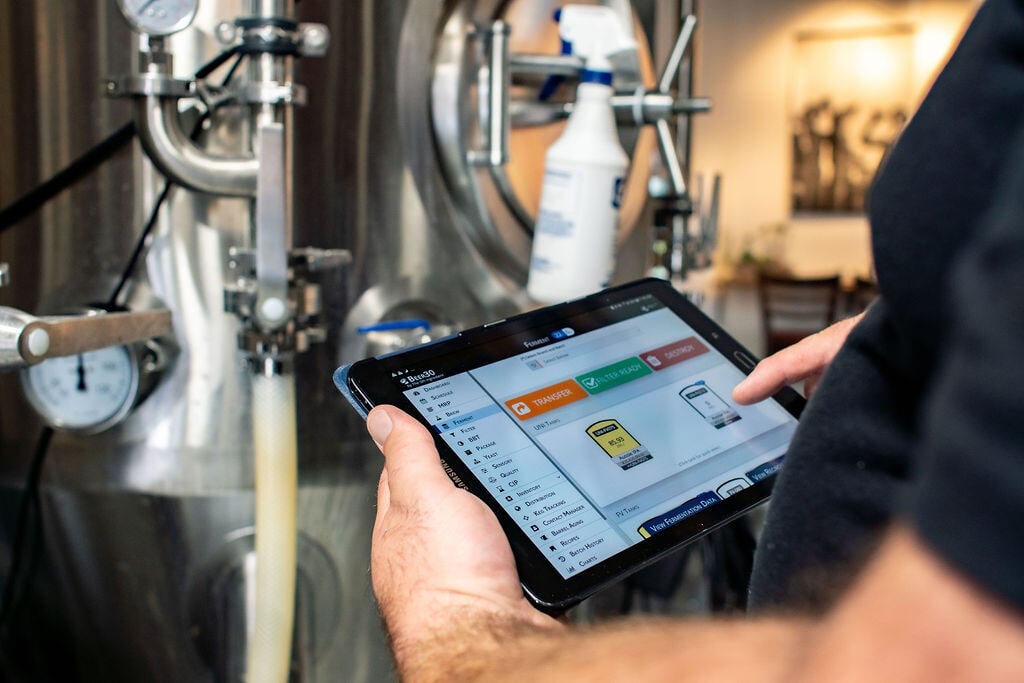
| Nailing Temperature Control Like a Pro Temperature control during fermentation can make or break your beer. Too hot, and you’re looking at some serious off-flavors. Too cold, and your yeast might take a nap. So, how do you keep things just right? Challenges: - Seasonal Changes: As the weather shifts, so does your brew room temp. - Old Equipment: If your temp control setup is older, you might struggle to keep things steady. - Multiple Yeast Strains: When you’ve got different strains going at the same time, things can get tricky. How to Stay in Control: - Invest in solid temperature control systems like glycol chillers or fermentation chambers. - Monitor temps and make adjustments as needed. - Know your yeast and their needs. Each strain has its sweet spot, so don’t mix things up. How Brewery Software Can Help: Beer30’s real-time temperature tracking and remote monitoring lets you check your fermentation temp from anywhere and make adjustments before things get out of hand. Plus, our software integrates with partners like PLAATO, Fermly, Precision Fermentation, and Fermecraft to help you get a firm grip on your fer |

| Understanding Your Yeast: Happy Yeast, Happy Beer Yeast is the unsung hero of brewing. When they’re happy, they churn out amazing beer. But when they’re stressed, you’ll know it. So, how do you keep your yeast in top shape? Signs of Happy Yeast: - Active Fermentation: Lots of bubbling and movement means your yeast is hard at work. - Hitting Your Gravity Targets: If your final gravity is spot on, you’re golden. - Clear Beer: Good yeast behavior means they’ll settle out nicely, leaving you with clear beer. Signs of Unhappy Yeast: - Slow Start: If nothing happens after 24 hours, your yeast might need help. - Off-Flavors: Stressed yeast produces all sorts of nasty flavors—no thanks. - High Final Gravity: If you’re not hitting your FG, something’s up with your yeast. How to Keep Yeast Happy: - Use healthy yeast and store it properly. - Rehydrate or make a starter for liquid yeast—it gives them a head start. - Oxygenate your wort before pitching. Yeast loves oxygen at the beginning. How Brewery Software Can Help: Beer30 brewery software helps you keep track of your yeast’s performance over time. You can log data on yeast health, usage, and performance, so you’ll know exactly what to expect from each batch. |
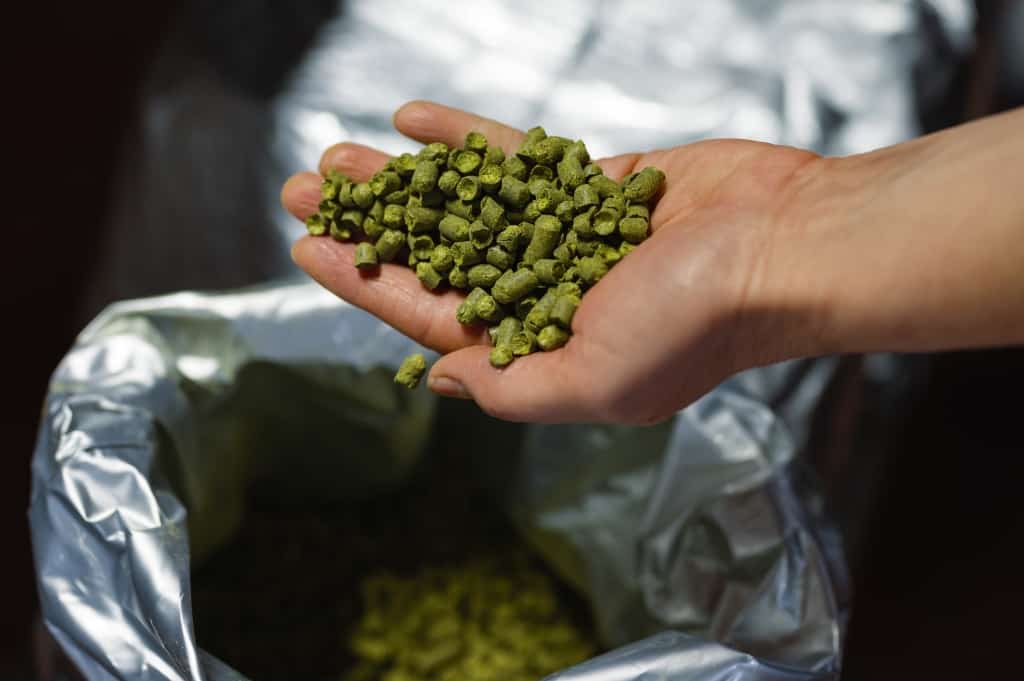
| Hop Creep: What Is It, What Causes It, and How to Prevent It Hop creep is an unwanted secondary fermentation that comes with dry hopping and can lower gravity, provoke a diacetyl spike, and create excess alcohol and CO2. Hop creep happens slowly and subtly and can be hard to catch without the proper monitoring tools. This means that customers are usually the first ones to notice the unwanted flavor, higher ABV, and overpressurization that can lead to popped bottles (not the fun kind) and overexpanding cans. What Causes Hop Creep: Hop Creep Happens when diastase enzymes in hops meet up with normally unfermentable carbohydrates in the presence of active yeast. This usually happens with juicy or hazy IPAs when the yeast count and hopping rate are both high. How to Prevent Hop Creep: While it’s not necessarily possible to prevent hop creep altogether, it is possible to monitor and control it. Brewers can measure the alcohol and specific gravity to monitor for overattenuation. As a brewer, you can measure for over-attenuation by measuring the alcohol and specific gravity. You can reduce its likelihood by tweaking your recipes for higher-fermentation wort or by adjusting the brewing process to account for it. For instance, you might intentionally underattenuate your beer to manage the effects. Additionally, you can reduce the contact time between hops and beer. Even though it's common to think that longer dry-hopping is better, a 2012 OSU study found that hop aroma intensity is the same whether you dry-hop pellets for six hours or four days. Plus, it only takes 24 hours for linalool and myrcene to hit almost total extraction levels. Shorter dry-hop times bring out more fruity aromas, while longer times lean toward herbal notes with more polyphenols. How Brewery Software Can Help: Beer30 brewery software lets you monitor essential fermentation data like attenuation, pH, gravity, temperature, diacetyl, and ABV to easily see if things are “creeping” up in real time. |

| Keeping It Consistent: How to Recreate That Perfect Brew Consistency is key, especially when your customers expect the same great beer every time. But with so many variables in play, how do you ensure every batch hits the mark? Challenges: -Ingredient Variability: Not all hops and malts are created equal—sometimes, you get a batch that’s just a little different. -Process Changes: Even minor tweaks can lead to significant differences in the final product. -Environmental Factors: Changes in temperature, humidity, and water chemistry can all mess with your consistency. How to Nail Consistency: -Stick to your process. Document every step so you can replicate success. -Source ingredients from trusted suppliers and keep an eye on quality. -Regularly calibrate your equipment to make sure your measurements are on point. How Brewery Software Can Help: With Beer30 brewery software, you can keep everything consistent from start to finish. Log every detail, from ingredients to temps, and use that data to replicate your best batches. And if something’s not quite right, Beer30’s analytics will help you spot where things went off course so you can fix it for next time. |
| Conclusion Fermentation might have its challenges, but with a bit of know-how and the right tools, you can keep things running smoothly and produce amazing beer every time. Using brewery software like Beer30 helps you monitor, troubleshoot, and perfect your fermentation process, making sure every batch is as good as the last. Reach out to book a demo today or get a pricing quote, and let’s talk about how Beer30 software can help your brewery. |
For many brewers, changing brewery software or switching to brewery software from spreadsheets may feel like an unnecessary headache. After all, many breweries can function on a solid combination of spreadsheets and whiteboards. However, what brewers might not realize is that relying on other software companies or traditional methods like spreadsheets for organization and data calculation can be more than just a hassle—it might actually end up costing more in the long run. When you add together the costs of labor, production, and missed growth opportunities, your potential profits could be suffering.
In today’s industry, tracking Cost of Goods Sold (COGS) accurately and maximizing a brewery’s efficiency is more important than ever. Beer30 offers one of the most powerful COGS reporting functions in the industry, allowing you to track costs at a granular level. Beer30 is different from other software in the industry because it accounts for raw material and packaging material price fluctuations from batch to batch, while incorporating the price changes that occur due to split batches, merges, and ingredient substitutions and additions. Beer30 also incorporates beer losses during fermentation, filtration, conditioning, and packaging into your final COGS breakdown for each batch, so you have an accurate understanding of how your efficiency impacts your costs. Tying in revenue from sales reports helps breweries understand margins across their different channels in retail, wholesale, and now taprooms thanks to our new integration with Square POS.
But hey, don’t take our word for it, check out case studies from some real Beer30 customers. Here we take a look at Your Mates, Frog Alley, and Pelican Brewing and see how they’ve used Beer30 by The 5th Ingredient® to cut down on labor and save thousands.
Starting out, Your Mates was just a couple of guys brewing beer and trying to run a business in Warana, Australia, in the Sunshine Coast. Originally, they “had no idea how to do so,” says Christen McGarry, cofounder and COO/CFO. There were many roadblocks on their journey, and the team had to figure things out as they went along.
Like many breweries, Your Mates struggled with keeping everything organized. The team was looking for software that could help them organize their inventory, manage their scheduling, and utilize their data to accurately forecast their needs for raw materials.
Using Beer30, Your Mates was able to onboard and get it running in just 24 hours, organizing everything under a single platform. The team was able to consolidate most of their operations to manage them easily, reduce their labor costs, and improve efficiency by a jaw-dropping margin—about $100,000 (AUD) per year.
“With cost savings and time,” McGarry says, “you’d have to employ another person who was experienced in inventory management, scheduling, and materials resource planning—someone who could build a database that could give you the information that Beer30 is giving you. That’s a $100,000 salary, I’d say.”
For Your Mates, the Material Resource Planning (MRP) module was vital. “We just couldn’t live without MRP making sure that we have a forward forecast of the materials that we’re going to need,” McGarry says. “You know, we’ve had tens of thousands of liters of beer held up in tanks before because someone didn’t realize we were almost out of four-pack barcodes—because we didn’t have a really strong system to forecast when we would run out of materials, and when we would need materials a whole production facility would just be at a standstill.”
As Your Mates continues to grow, Beer30 has become an important tool for reporting and keeping track of data. Important forecasting features will help Your Mates build for the future as they strive to bring even more great beer to the community.
Download the full case study here or book a demo today to learn how Beer30 can help save your brewery’s labor costs.

For many years, Frog Alley in Schenectady, New York, used spreadsheets and printed brew sheets onto paper. If beer or water got on the paper, all the data would melt from the page.
In October 2020, when the Frog Alley team switched to Beer30, they knew that they had more fermentation capacity than they were using—yet from an admin perspective, they weren’t ready for greater production. “We were not in a good place, on the administrative side of brewing, to be able to track lots, be able to organize inventory, store recipes, or be able to look at historical data,” says Laura Clough, of Frog Alley.
Beer30 changed all of this. The software helped the brewery clean things up and boost efficiency. “I feel like Beer30 makes me more efficient, so I don’t have to spend hours in the back to count bags of grain,” Clough says. “I know what we need to order. On the whole, it streamlines and doesn’t require us to have as many side conversations, like, ‘Did you clean that tank?’ or ‘When did you clean that tank?’”
Since starting with Beer30 in 2020, Frog Alley has increased production by using the software’s administrative tools to stay organized and keep track of scaling up. “I feel like we have increased pretty steadily—about 1,000 barrels a year, which feels like a million barrels sometimes,” Clough says.
The company now distributes about 70 percent of its beer to New York State and continues to increase its capacity every year.
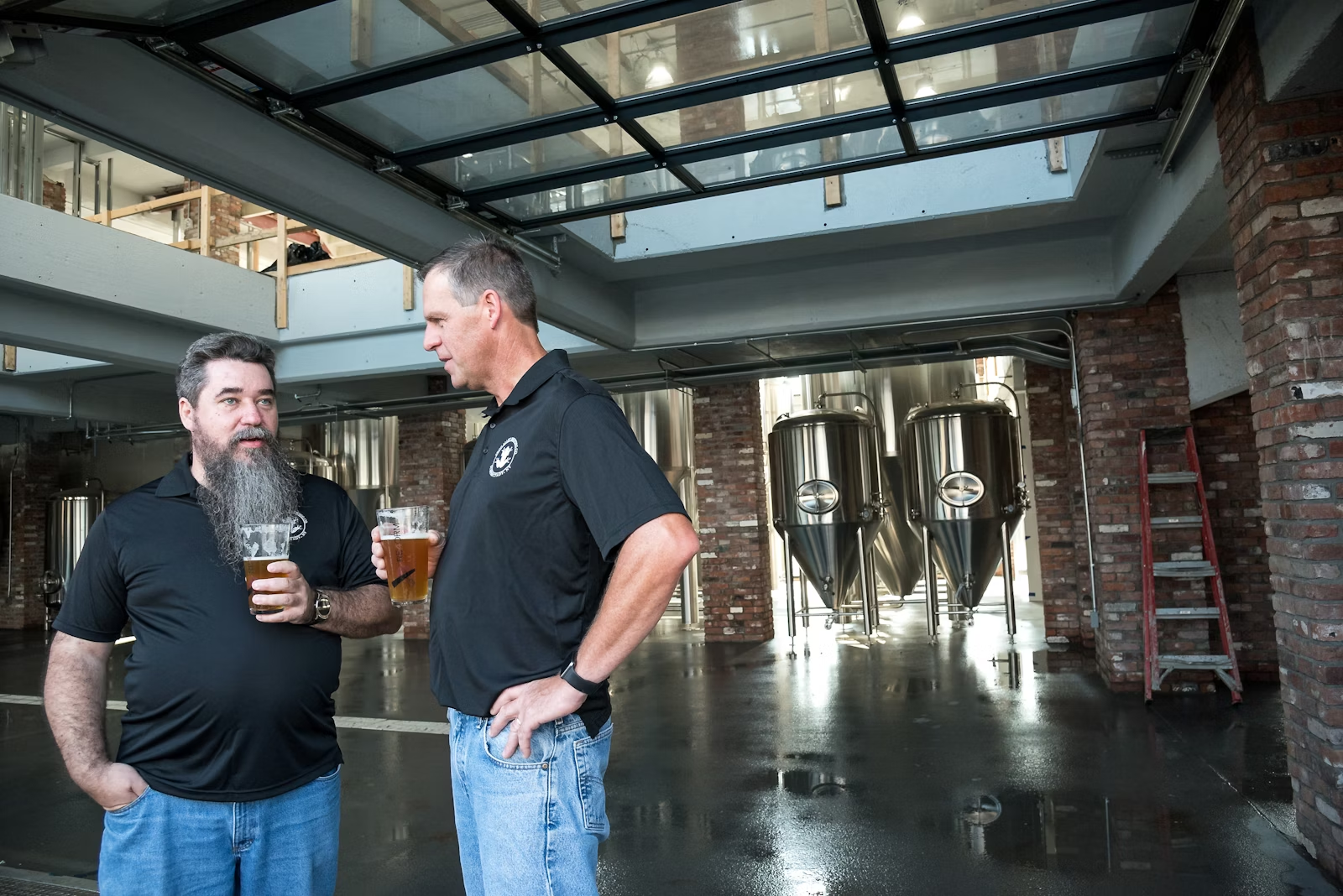
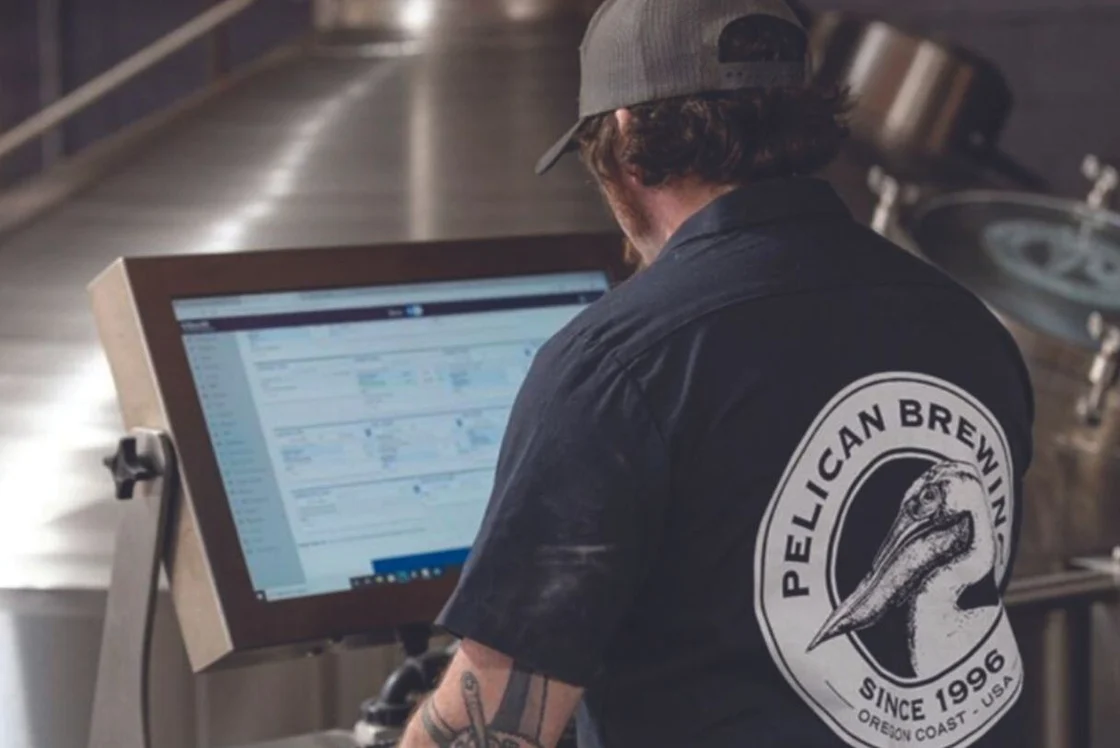
Pelican Brewing in Pacific City, Oregon, was going through a period of rapid expansion. To support this growth, they decided to implement the Beer30 Production Suite, alongside their existing ERP system, to take a deeper dive into their brewing process.
Before Beer30, the Pelican team knew they faced challenges with production efficiencies and had difficulties tracking performance trends with different beers. Yet perhaps the biggest issues they faced were those they didn’t even know existed due to poor visibility.
With brewery software, the team was able to bring all of Pelican’s production logs into a single, accurate source. Batch History reporting pulled the entire production process into a comprehensive report for each batch of beer. That gave Pelican’s production team the ability to understand how upstream changes truly impacted the yield and quality of each finished batch—a process that would normally live in anywhere from seven to 15 spreadsheets for breweries using different ERP systems without Beer30.
“We still handle inventory, invoicing, and accounting functions through an MRP/ERP,” says Martin G. Bills, director of brewing operations. “We completely decouple batches from the MRP, track essential data through Beer30, then send finished goods back to the MRP. It’s easy to do, with far fewer keystrokes.”
Variability in the production process is one of the largest sources of inefficiency for any brewery. Whether it’s changes in raw materials over time, differences in yeast generations, inconsistency in performance between team members, or mechanical issues, there are countless sources of variability from batch to batch.
Using Beer30, Pelican was able to easily compare process and quality data from batch to batch, identify when something was out of spec, and use Batch History reporting to quickly identify the root cause. Additionally, Beer30 includes customizable tolerance levels for recipe parameters throughout the brewing process, with dynamic color coding and alerts when something is out of spec.
With real-time text and email feedback alerts, the Pelican team was able to respond to issues quickly and take corrective actions early on, before the issue worsened or affected future batches. When there are potential errors on brew day or during fermentation, each day matters to avoid production delays.
By implementing Beer30 alongside their existing ERP system, Pelican gained the visibility to identify several sources of process variability and areas for improvement in the brewery production process.
As a result of these efforts tracked in Beer30, Pelican Brewing was able to:
“Overall,” says brewery manager Jason Schlebach, “Beer30 has been a great tool to bring on and has brought a lot of light to daily processes that either lived in notebooks and binders, or were muddled in an ERP database that wasn’t really designed for qualitative data. The system is intuitive, user-friendly, and easy to train staff to use.”
If you’re currently using competing brewery software and are thinking about switching, we want you to weigh your options. We know choosing a new software is a difficult decision. If you are interested in finding out more about Beer30 we’re happy to setup a no pressure discovery call where we’ll run through the software and show you how it can work for you.
If you do decide to go with Beer30, you can rest assured that you’re getting some of the best customer support in the industry.
Take a look at what some of our current customers are saying.
“Switching from Ekos to Beer30 has been a no-brainer for us. The ability to see a development roadmap and get really active support has been a game changer. The team at Beer30 has been incredibly responsive to our needs and it feels like we're partners, not just a customer.”
-Brett A. Robison, Silver Branch Brewing
“From onboarding to continuing support requests, Beer30 has been a partner in setting us up for success in the software and working to support our business through product development.”
-Gavin McKenna, Trillium Brewing
“The customer service is f*cking awesome at Beer30.”
-Doug Tibbs, Chandler’s Ford Brewing
“Pulkit and the team at Beer30 have gone above and beyond to help us integrate the system into our business. Day or night we have been able to get any help we needed and the team has shown amazing flexibility in integrating any suggestions we might have.”
-Chris Moore, Sailor’s Grave
If you’re considering brewery software at yours, it can feel like an unnecessary expense—but be sure to consider the money and time you’re losing by not utilizing brewing software. Software such as Beer30 is an investment, but with powerful tools for organizing and streamlining operations, it’s one that could benefit your bottom line and save you time.
If you’re looking for a solution to save time, brew more efficiently, and help scale operations at your brewery, Beer30 might be the answer. Schedule a demo to see if Beer30 brewery software is a good fit for you.
As the demand for non-alcoholic options continues to rise, many brewers may be wondering if venturing into the market of N/A beer is the right choice for your brewery.
Before you decide, it’s important to understand what goes into brewing N/A beer, if it’s worth it, and what the alternatives are to brewing non-alcoholic beer.
Non-alcoholic beer (NA beer) typically contains less than 0.5% alcohol by volume (ABV). The goal is to create a beverage that mimics the taste, aroma, and everything we love about traditional beer while containing minimal alcohol.
Seems pretty straightforward right? Well, unfortunately, when you really get down to the process involved with producing, serving, and retailing N/A beer, the difficulties start adding up, making the whole process a bit more hazy (pun intended).
Before you start brewing non-alcoholic beer, it’s good to know some of the common issues that come with it. Many breweries that brew N/A beer have had to overcome issues with packaging, dirty lines, and freezing.
Packaging: Packaging N/A beer comes with a lot of issues since the alcohol in beer is a big factor in reducing the food safety risk. To avoid running into food safety issues with N/A beer, it’s important to pasteurize it thoroughly. As one Reddit user says, “Pasteurize the fuck out of it.” Not only will the pasteurization help with food safety issues but will also help make sure the ABV doesn’t go up after packaging during a second fermentation.
Dirty Lines: If you plan on serving your N/A beer on tap, you’ll need to make sure that you consistently clean your lines. This means cleaning them pretty much every day. Similarly to how alcohol prevents safety issues in packaged beer, the alcohol being served on tap helps keep your lines safe. Without alcohol, the high sugar content of beer makes it a breeding ground for pathogens. This can be extremely dangerous if not properly cleaned daily.
Freezing: For those breweries that are in colder climates, freezing can also be an issue. Without the higher alcohol content, the freezing temperature of N/A beer is much higher, making it easier for it to freeze in the colder months. Freezing beer can damage both kegs and lines in your brewery and ultimately be a pain in the ass to empty the tank.

Alternatives to brewing N/A beer
With all of that in mind, there are some ways around brewing N/A beer at your brewery that could help you avoid some of the pitfalls. If you still want to offer a delicious non-alcoholic option at your brewery, you can make hop water, N/A Seltzer, or you can buy N/A beer from a different brewer and offer it at your brewery.
Making Hop water: Hop water is a great alternative to brewing N/A beer since it’s non-alcoholic from the start. It’s basically just a combination of hops, water, and citric acid to bring the ph level down. There’s no barley or malt (although either of these can be added) so the flavor is quite different and the process for making it is much easier. We won’t go into all of the details of how to make hop water at your brewery in this blog (maybe a blog for a different day), but you can learn how to add hop water to your lineup
Making N/A Seltzer: Similar to making hop water, making non-alcoholic seltzer is a great way to offer a N/A option without the need to brew N/A beer. Check out our blog post on brewing techniques for seltzers to learn more about that process.
Outsourcing N/A: If you’re looking for an easier option than making hop water, but still want to offer something non-alcoholic besides water, you can stock your taproom with N/A beer from other breweries. I know this may sound like it goes against everything a brewery stands for. After all, why did you start a brewery if you’re just going to get beer from somewhere else? Well, sure, but as we mentioned, brewing N/A beer is a pain in the ass.
Not only that, but it’s good for breweries to collaborate. Partnering with a brewery that does N/A beer really well is nothing to be ashamed of! Not only are you supporting other brewers in the space, but you’re saving yourself time and money by doing so.

Now, all that being said. If you still want to make Non-alcoholic beer at your brewery there are a few different techniques that you can take.
Process: This technique involves controlling the fermentation process to limit alcohol production. It can be achieved in a few different ways:
-Using special yeast strains that produce less alcohol during fermentation.
-Fermenting at lower temperatures to slow down yeast activity and alcohol production.
-Halting the fermentation process early by cooling the beer, filtering out the yeast, or pasteurizing the beer.
Pros:
Flavor and Aroma Retention: This method tends to preserve much of the original flavor and aroma of the beer because the basic brewing process is similar to regular beer production.
Less Processing Required: Since the beer doesn't need to undergo further alcohol removal, the process is relatively straightforward.
Cons:
Consistency Challenges: It can be difficult to achieve consistent results, as even slight variations in the fermentation process can affect the final product, although brewery software like Beer30 can help with fermentation monitoring (among many other things).
Limited Alcohol Reduction: This method may not reduce alcohol content as effectively as other methods, often resulting in beers with lower but not zero alcohol content.
Process: Vacuum distillation involves removing alcohol from fully fermented beer by heating it under reduced pressure. This lowers the boiling point of alcohol, allowing it to evaporate at a lower temperature, thus preserving more of the beer's original flavor compounds.
Pros:
Flavor Preservation: Since the beer is heated to a lower temperature, more of the original flavor and aroma compounds are retained compared to traditional distillation.
Effective Alcohol Removal: This method can effectively reduce the alcohol content to very low levels.
Cons:
Specialized Equipment: Requires vacuum distillation equipment, which can be costly and complex to operate.
Energy Intensive: The process can be energy-intensive, adding to production costs.
Process: This method uses a filtration system to separate alcohol and water from the beer. The beer is forced through a membrane that allows water and alcohol to pass but retains the larger flavor and aroma molecules. The alcohol is then removed from the separated liquid, and the remaining liquid is recombined with the flavor-rich concentrate to create non-alcoholic beer.
Pros:
High-Quality Results: Can produce non-alcoholic beer with excellent flavor retention, as most of the original flavor compounds remain intact.
Precision: Allows for precise control over the final alcohol content.
Cons:
Expensive: The technology and equipment required for reverse osmosis are costly.
Complex Process: The process is sophisticated and requires careful management to ensure quality.
Process: This method involves brewing a high-gravity beer, which has a higher concentration of alcohol and other components, and then diluting it with water to reach the desired alcohol content.
Pros:
Simplicity: The process is straightforward and doesn't require specialized equipment.
Cost-Effective: Less expensive than other methods since it relies on standard brewing practices and readily available water.
Cons:
Flavor Dilution: The resulting beer can have a diluted flavor profile if not done carefully, potentially compromising the beer's taste and mouthfeel.
Balance Issues: Maintaining the right balance of flavor and body can be challenging, requiring precise calculations and adjustments.
Each of these methods has its own set of advantages and challenges, making the choice of method dependent on the specific goals, resources, and expertise of the brewer.
Managing the intricate process of brewing N/A beer becomes much more efficient with the right brewery software. Here’s how it can help at every stage of production:
Brewery software allows brewers to track and tweak recipes for N/A beer, ensuring consistent flavors and aromas with every batch.
Monitoring key brewing parameters—such as fermentation temperature, mash time, and alcohol content—is simplified with brewery software. It ensures that brewers can consistently replicate their best batches.
From pH levels to filtration data, brewery software ensures quality control is never compromised. By tracking every step of production, brewers can quickly identify and address any deviations from desired standards.
Never worry about running out of raw materials or packaging supplies mid-production. Brewery software tracks your inventory levels and alerts you when supplies are running low, helping avoid costly production delays.
Once your N/A beer is ready for market, brewery software helps manage your finished goods inventory and handles sales orders, packing slips, and picklists, ensuring smooth distribution to customers.
Brewery software simplifies the process of meeting industry regulations. It helps track every batch’s production history, ensuring compliance with alcohol content limits, food safety, and labeling requirements.
Brewing non-alcoholic beer comes with its challenges, but with the right techniques and brewery software, it can be a rewarding endeavor. Whether you decide to brew N/A beer, explore alternatives like hop water, or outsource production, the decision depends on your brewery’s goals and capabilities.
By leveraging brewery management software like Beer30, brewers can streamline their processes, ensuring efficiency, consistency, and high-quality results in every batch of non-alcoholic beer.
If you’re interested in leveraging Beer30 software, to keep track of everything from recipe management to distribution and compliance, please reach out to book a demo or get a pricing quote.

